What if this year you decided to head out on the water and discover the joys of boating? Coastal, inland waterways or offshore licence? At the helm of a motorboat, a jet ski or a sailing boat? Here are the rules you need to know to navigate legally…
In France, you do not always need a boating licence to take to the water. A licence is required to operate a motorboat with an engine power exceeding 4.5 kW, or 6 hp, whether powered by a combustion or electric engine. At or below this power, you may operate a boat without a licence, subject to the other regulations applicable to the vessel and the navigation area. You can operate a licence-free boat on your own from the age of 16. For anyone under 16, regulations require adult supervision.
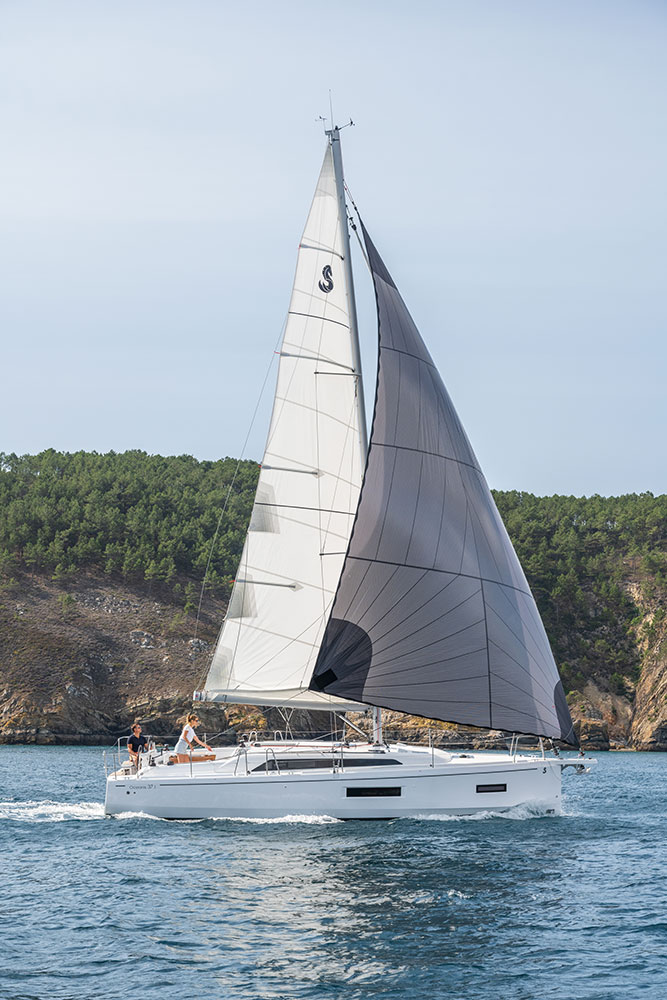
Sailing is a special case: operating a sailing vessel at sea does not require a licence unless the engine exceeds 6 hp and is used to propel the boat. When renting a boat, some operators may require proof of experience or an ICC (International Certificate of Competence), even though this is not an official legal requirement in France. Several European countries, including Croatia and Greece, have stricter requirements and may require a licence or proof of competence to navigate in their waters. Be sure to check before setting off on a cruise!
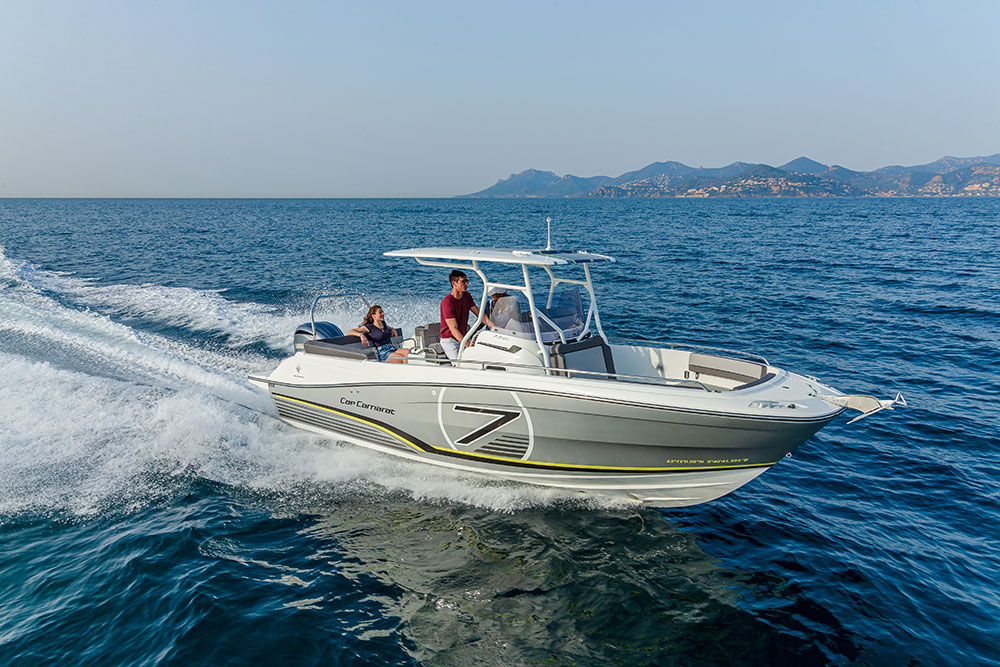
Crédit-photo_Jeanneau
The coastal licence: up to 6 nautical miles from a place of shelter
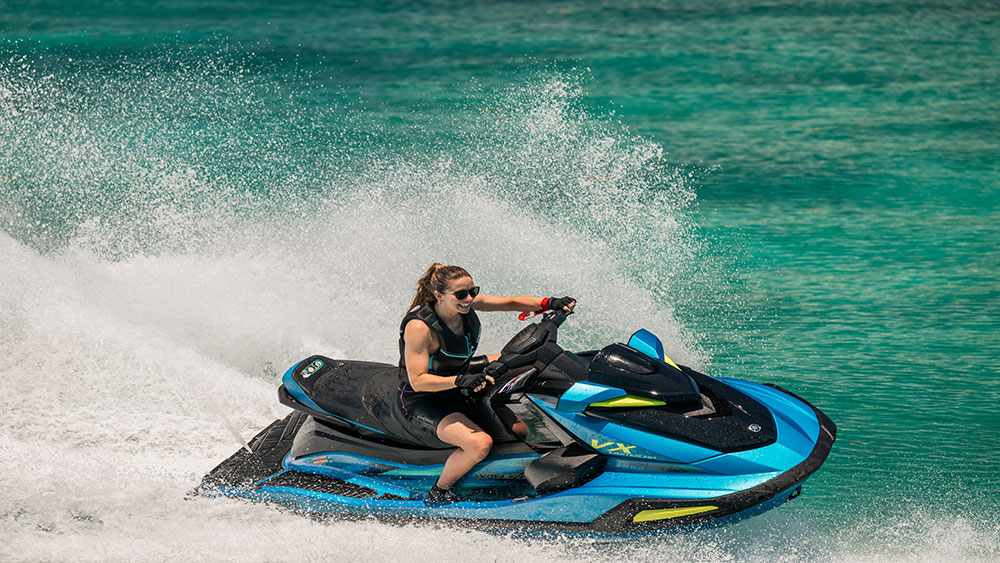
To operate a motorboat with more than 6 hp in French maritime waters, a coastal boating licence (permis plaisance option côtière) is required. It allows you to navigate up to 6 nautical miles from a place of shelter, by day or night. This licence also allows you to operate personal watercraft (PWC), commonly known as jet skis, when their power requires a licence. “Training for the coastal licence includes a theoretical section with a multiple-choice test and a practical course comprising a minimum of 2 hours of compulsory navigation, plus 1 hour 30 minutes of theoretical instruction before continuous assessment,” explains the Paris Nautique boating school.
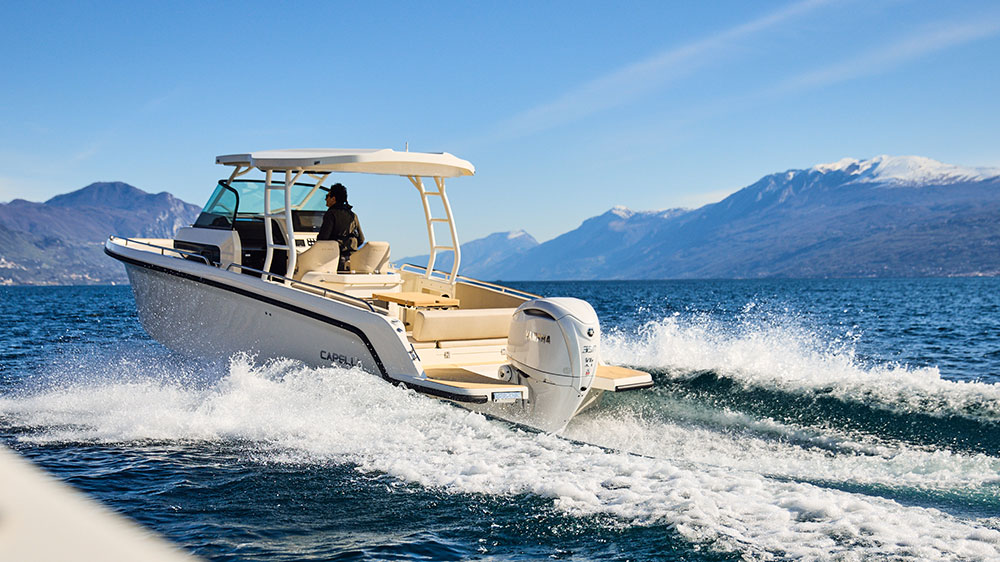
Crédit-photo_Yamaha
The inland waterways licence
On rivers and canals, the relevant official qualification is the inland waterways boating licence (permis plaisance option « eaux intérieures »). It allows you to operate a motorboat with more than 6 hp and measuring less than 20 metres in length. Please note that the coastal licence does not automatically allow you to navigate on canals and rivers. However, maritime boating licences do allow holders to operate boats on lakes and enclosed bodies of water, subject to the conditions laid down by law.
The rules are slightly different for inland waterway rentals, as you can operate certain rental boats – such as small canal boats – without a licence even if they exceed 6 hp, provided that the boat’s speed is below 12 km/h and that you complete a one-hour introductory training session with the rental operator.
Crédit-photo_Beneteau
Offshore licence: the call of the open sea!
Ready to explore the seas and oceans? The offshore extension to the French boating licence (extension hauturière) allows you to navigate without any distance restriction. It is available to holders of the coastal licence and involves a theoretical examination covering the knowledge required for offshore navigation. The final examination consists of two chartwork exercises, a tidal calculation on paper and a multiple-choice test covering weather, safety and electronics.
Meet SAS O’Permis and Paris Nautique, exhibitors at the Paris Nautic Show 2026, and talk to their teams to get answers to all your questions about boating licences.